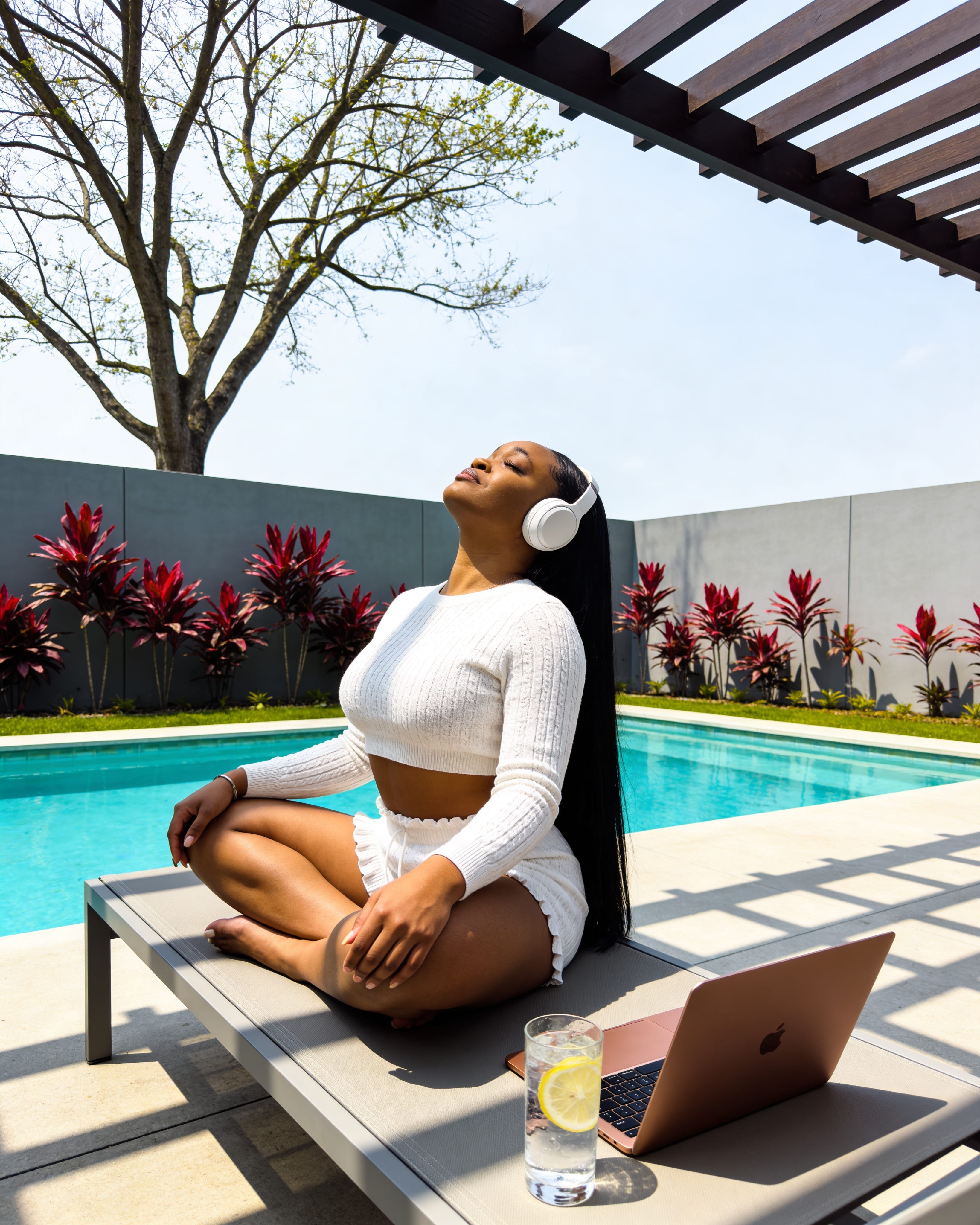
When many people think about wellness, they think about what they need to add to their lives:
A healthier diet.
A new workout routine.
More sleep.
A better morning routine.
But sometimes, wellness is not about adding something new; it’s about removing what constantly takes from you.
Your energy matters.
Your time matters.
Your peace matters.
Protecting your well-being means recognizing that some things deserve access to you and some things do not.
Wellness Requires Boundaries
Boundaries are often misunderstood.
Some people think boundaries are about keeping others out. In reality, boundaries help us create healthier relationships with ourselves and the people around us.
A boundary may look like:
Saying no when your schedule is already full.
Taking time away from situations that overwhelm you.
Communicating your needs clearly.
Limiting interactions that negatively affect your mental health.
Resting without feeling guilty.
Choosing where and how you spend your energy.
Boundaries are not acts of selfishness.
They are acts of self-awareness.
You Cannot Pour From an Empty Cup
Many people are taught to be dependable. We become the person others call when they need support. We show up for our families, friends, coworkers, and communities in all ways, all days.
Being caring and compassionate are strengths, but constantly giving without restoring yourself can lead to exhaustion.
Wellness requires balance:
Support others, but remember that you are also someone who deserves support.
Encourage others, but make sure you are speaking kindly to yourself too.
Be present for others, but do not abandon yourself in the process.
Stress Is Not Always a Sign to Push Harder
Our culture often celebrates being busy.
People proudly say they are exhausted. They wear burnout like a badge of honor, but chronic stress is not a measure of success.
Your body communicates with you.
Fatigue, irritability, difficulty concentrating, changes in sleep, and feeling constantly overwhelmed can be signs that something needs attention.
Rest is not a reward you earn after completing everything.
Rest is part of maintaining your health.
Protecting Your Peace Is a Daily Practice
Peace is not something that appears once life becomes perfect.
It is something you create through intentional choices like turning off notifications, stepping away from unnecessary conflict or accepting that you cannot control how others behave; you can only control how you respond.
Sometimes it means choosing yourself, even when that choice feels uncomfortable.
Small acts of protection can create a healthier relationship with your time, energy, and emotions.
Wellness Includes Your Environment
The spaces around us influence how we feel.
A stressful environment can affect our mood, focus, and overall well-being.
Creating a healthier environment may mean:
Organizing your living space.
Spending time around people who encourage growth.
Reducing exposure to negativity.
Creating routines that bring stability.
Making your home a place where you can recharge.
Your environment does not have to be perfect.
It just needs to support your well-being.
This National Wellness Month...
Consider asking yourself:
What is draining my energy?
What deserves less access to me?
What boundary would help me protect my health?
Wellness is not only about caring for your body, but also, protecting your mind, your emotions, and your peace. A healthy life is not just built by what you choose to do; it is also shaped by what you choose to release.
Your peace is worth protecting.
Your health is worth protecting.
And you are worth protecting. ❤️🩹
Reflection Prompt
What is one boundary you can create this month to better protect your wellness? Share your thoughts in the comments.


