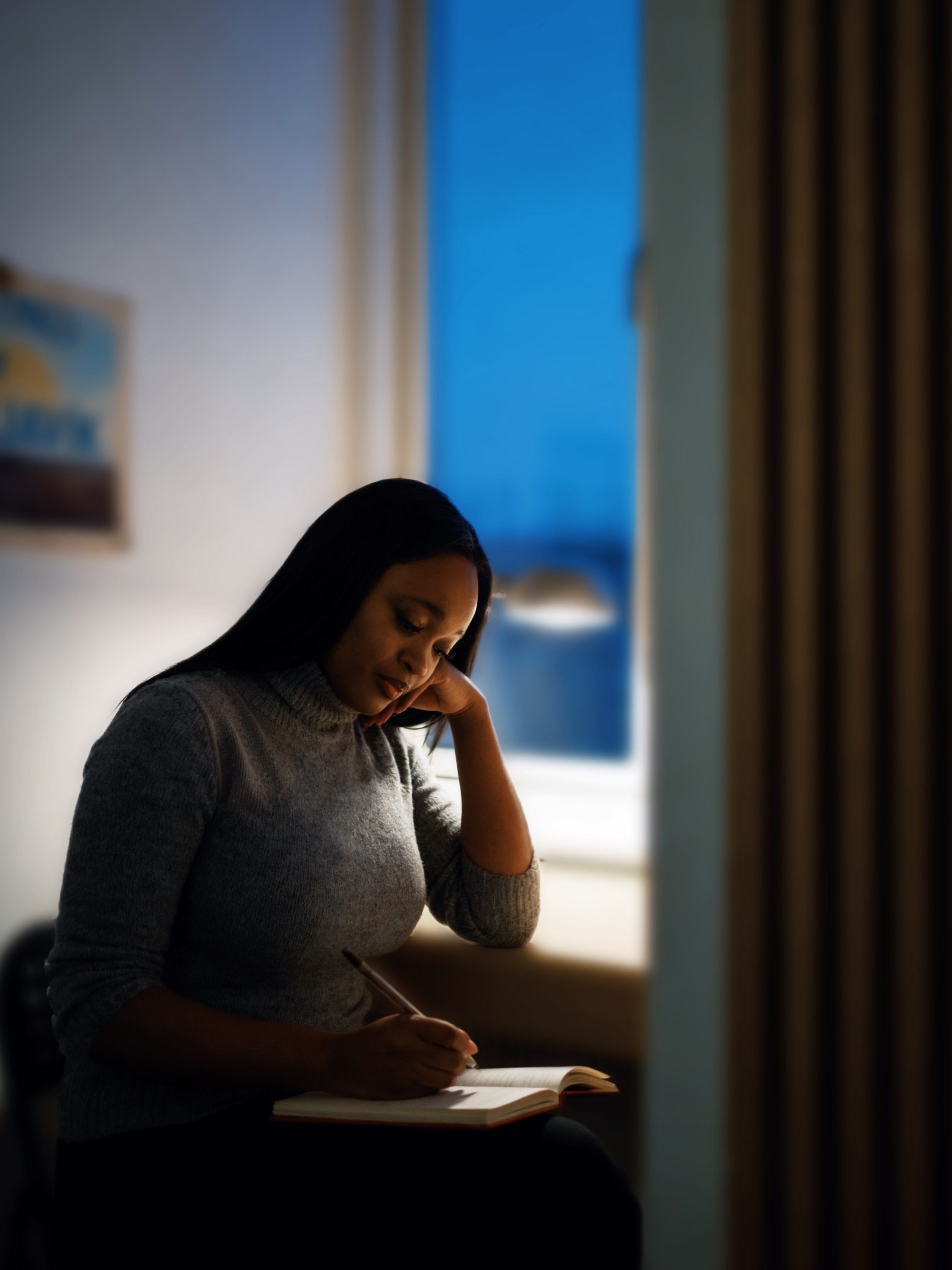
Surviving Isn't the Same as Healing
Recognizing the difference between coping and truly recovering.
Some of us became experts at survival long before we ever learned what healing looked like.
Survival is instinctive; it’s what we do when life feels unsafe, uncertain, or overwhelming. It helps us adapt to difficult environments, navigate disappointment, and endure painful experiences.
But surviving and healing are not the same thing.
Many people believe that if they’re still going to work, paying their bills, smiling in public, or checking off their daily responsibilities, they must be doing okay. While those accomplishments deserve recognition, functioning isn’t always the same as flourishing.
Sometimes we’re simply surviving.
That’s it.
That’s all.
What Survival Can Look Like
Survival doesn’t always look dramatic. In fact, it can hide in plain sight:
It can look like constantly staying busy so you never have to sit with your thoughts.
It can look like saying “yes” when you desperately want to say “no.”
It can look like becoming so independent that asking for help feels impossible.
It can look like overachieving because your worth has become tied to your productivity.
It can look like convincing yourself you’re “fine” because slowing down feels unsafe.
These behaviors often develop for a reason. They may have protected us during seasons when we had very little control.
The problem is that coping strategies designed for survival aren’t always meant to be permanent.
What Healing Looks Like
Healing isn’t about pretending difficult things never happened.
It’s about creating enough safety within yourself to no longer live as though every day is an emergency.
Healing might mean:
Setting boundaries without apologizing.
Letting yourself rest without feeling guilty.
Going to therapy.
Having honest conversations.
Learning to regulate your stress instead of simply enduring it.
Accepting support from people you trust.
Choosing peace over constant performance.
Healing often feels uncomfortable because it asks us to replace familiar survival patterns with healthier ones.
Growth can feel unfamiliar before it feels freeing.
Giving Yourself Permission to Slow Down
Many of us grew up believing that being “strong” meant pushing through exhaustion, carrying every burden, and never asking for help.
But strength isn’t measured by how much pain you can tolerate.
Sometimes strength is admitting you’re tired. It’s canceling plans because your body needs rest. It’s saying, “I can’t do this alone.”
The goal isn’t to prove how much you can endure.
The goal is to be well.
Wellness isn’t about performing resilience or wearing burnout as a badge of honor. It’s about recognizing when it’s time to put some of the weight down and trusting that caring for yourself is not a sign of weakness, but of wisdom.
Reflection
As you continue through National Wellness Month, ask yourself a few honest questions:
Am I living, or am I just getting through the day?
What habits are helping me heal?
What habits were created simply to help me survive?
Where in my life do I need more support?
What would caring for myself actually look like today?
There are no perfect answers.
Healing isn’t a destination you arrive at one day.
It’s a series of intentional choices that move you closer to the life you deserve.
Final Thoughts
If you’re reading this while carrying more than anyone realizes, know this:
Surviving got you here.
Honor that.
But don’t stop there.
You deserve more than survival.
You deserve the opportunity to heal. ❤️🩹
Call to Action
Reflection Prompt: What’s one survival habit you’ve recognized in yourself that you’re ready to release or one healing habit you’re committed to building? Share your thoughts in the comments and join the conversation.


